
Welcoming a companion into your home is a transformative journey that alters the very blueprint of your daily life. Creating a safe, enriching, and seamlessly structured environment requires a holistic approach that connects your home’s immediate living space to the vast supportive framework of your broader community. When you look around your property, you might see manicured lawns, polished floors, and functional doorways, but your furry companion sees a universe of sensory experiences, potential physical boundaries, and daily routines. Designing an optimal life for your animal companion means evaluating every single detail of your personal environment from the ground up. It requires you to look beyond simple aesthetics and consider the structural integrity of your living spaces, the safety of your outdoor perimeters, and the quality of the external support networks you rely on every day.
Building this foundation begins right at your front door and extends deep into the surrounding neighborhood infrastructure. A truly comprehensive approach balances outer beauty with underlying function, ensuring that your home remains a sanctuary while also connecting you to vital professional resources nearby. From the materials you choose for your entryway floors to the secure boundaries of your yard fencing, every physical choice plays a role in shielding your companion from avoidable hazards. At the same time, maintaining a thriving household involves understanding how external facilities, specialized practitioners, and community resources integrate into your ongoing care routine. By taking the time to audit your property and establish reliable connections across your city, you build a resilient safety net that adapts to every stage of your companion’s life.
1. Curb Appeal Foundations
The initial entryway to your property sets the tone for both security and aesthetic charm. A welcoming front exterior must be designed to withstand heavy foot traffic, sudden weather changes, and unpredictable animal energy. Securing porch steps with non-slip treads and ensuring that decorative gates feature reliable latching mechanisms keeps enthusiastic animals from accidentally slipping out into the street. Exterior lighting plays an equally vital role, illuminating paths during early morning or late night walks so you can easily spot potential hazards like sharp debris or chemical ice melts.
- Upgrading entryway gates with self-closing hinges.
- Installing bright solar lighting along primary walkways.
- Storing lawn chemicals in high, locked cabinets.
Beyond the physical structure of your porch, managing environmental factors near your entryway helps keep animals comfortable throughout the year. Dust, pollen, and damp soil frequently collect around outdoor thresholds, leading to uncomfortable reactions on delicate paws and bellies. Regular maintenance of front entry pads and keeping outdoor wash basins ready can significantly reduce irritation. Addressing issues like pet skin problems early on prevents minor discomfort from turning into a major disruption to your routine.
2. Living Room Organization
Your central living area is the primary space where your family relaxes and gathers, making it essential to strike a balance between refined decor and functional durability. Choosing performance fabrics for sofas, placing washable throw blankets over high-traffic seating, and securing heavy furniture to wall studs creates a worry-free environment. Cable management systems are another critical interior upgrade, hiding dangling cords that might tempt curious young animals to chew or tug.
- Routing electrical cords through protective wall conduits.
- Choosing stain-resistant, tightly woven upholstery fabrics.
- Anchoring bookshelves and entertainment centers securely.
Maintaining clean indoor air and hygienic surfaces in the main lounge directly influences long-term vitality and comfort. Odors and bacteria can easily become trapped in heavy carpeting or plush textiles if routine maintenance is neglected. Incorporating low-stress cleaning protocols and scheduling professional support like pet grooming services ensures that your home remains fresh while your companion stays clean, comfortable, and well-cared for every single day.
3. Kitchen Safety Hacks
Kitchens are naturally bustling spaces filled with appealing scents, hot surfaces, and hazardous substances. Protecting your companion in the culinary heart of your home requires smart spatial management and secure storage solutions. Installing child-proof latches on lower cabinets prevents access to cleaning agents, garbage cans, and dangerous human foods like chocolate or onions. Keeping food prep surfaces clear and teaching animals to stay outside of active cooking zones prevents accidental burns or spill injuries.
- Adding magnetic locks to cabinets containing food or cleaners.
- Using heavy, tip-proof trash cans with locking lids.
- Designating a quiet feeding station away from main foot traffic.
Beyond food safety, daily oral hygiene plays a central role in your companion’s overall physical wellness. Food particles and plaque can quickly accumulate along the gumline, leading to discomfort and systemic issues if ignored. Establishing a regular routine at home, complemented by professional pet dental care, keeps teeth clean, breath fresh, and your companion feeling great throughout their adult life.
4. Backyard Fortification

A secure backyard offers freedom and outdoor stimulation, but it must be carefully engineered to prevent escapes and minimize hidden hazards. Fences should be checked routinely for loose boards, gaps beneath the soil line, or low-hanging branches that could assist an ambitious jumper. Replacing sharp gravel with smooth river rocks or soft turf protects sensitive footpads during high-speed play sessions, while removing toxic plants like azaleas or sago palms eliminates accidental poisoning risks.
- Inspecting the entire fence perimeter monthly for gaps or rot.
- Replacing toxic landscaping flora with safe, non-toxic plants.
- Providing shaded rest areas with fresh running water outdoors.
When outdoor play needs to be supplemented with structured exercise during busy workdays, external play facilities offer an ideal solution. Enrolling your animal in a well-managed doggy daycare provides high-energy socialization, supervised play sessions, and mental enrichment in a secure environment, allowing them to burn off excess energy safely while you handle your daily commitments.
5. Bedroom Sanctuary Design
The bedroom should serve as a peaceful sanctuary dedicated to restful sleep and quiet relaxation. Creating an optimal resting space involves choosing supportive bedding that cushions aging joints, positioning beds away from drafty windows, and keeping personal items like shoes or jewelry stored safely inside closets. Keeping bedroom floors clear of small items reduces ingestion risks and ensures a clutter-free environment for nighttime navigation.
- Placing orthopedic beds in quiet, climate-controlled corners.
- Keeping laundry hampers closed to prevent fabric ingestion.
- Using white noise machines to block disturbing outdoor sounds.
When family travel or home renovations require you to step away from your home sanctuary, finding an equally comfortable temporary environment is vital. Booking high-end pet hotels ensures your companion enjoys luxury accommodations, climate-controlled suites, and dedicated attention, minimizing stress and maintaining their familiar routines while you’re away from home.
6. Bathroom Sanitation Standards
Bathrooms contain high concentrations of moisture, cleaning chemicals, and delicate plumbing fixtures that require strict safety protocols. Keeping toilet lids closed at all times prevents accidental drowning hazards for smaller animals and stops them from drinking chemically treated water. Storing medications, shampoos, and beauty products inside elevated medicine cabinets prevents accidental exposure to toxic compounds.
- Installing non-slip bath mats inside and outside the tub.
- Keeping all prescription medications behind latched doors.
- Using covered wastebaskets for personal hygiene products.
Maintaining proper ventilation in the bathroom prevents mold buildup and keeps humidity levels comfortable during bath times. Choosing gentle, pH-balanced washing products and maintaining clean surfaces ensures that home washing routines are safe, efficient, and pleasant for everyone involved.
7. Specialized Care Workspaces
Dedicated care zones, whether located in a utility room, mudroom, or spare corner, streamline daily maintenance and health checks. Having a well-lit, organized counter space allows you to inspect ears, trim nails, and check coat condition without clutter. Keeping specialized brushes, ear cleansers, and nail clippers stored in designated bins ensures you have everything needed for efficient home care sessions.
- Organizing grooming tools in labeled, easily accessible bins.
- Using elevated grooming tables with safety harnesses for stability.
- Keeping styptic powder on hand for accidental nail quick nicks.
While basic home maintenance is essential, felines often require a unique, quiet atmosphere tailored to their sensitive nature. Utilizing a dedicated cat grooming center provides a calm, dog-free space where specialized handlers can manage delicate coats, mats, and nail trims with minimal stress, keeping your feline relaxed and looking their absolute best.
8. Neighborhood Walking Protocols
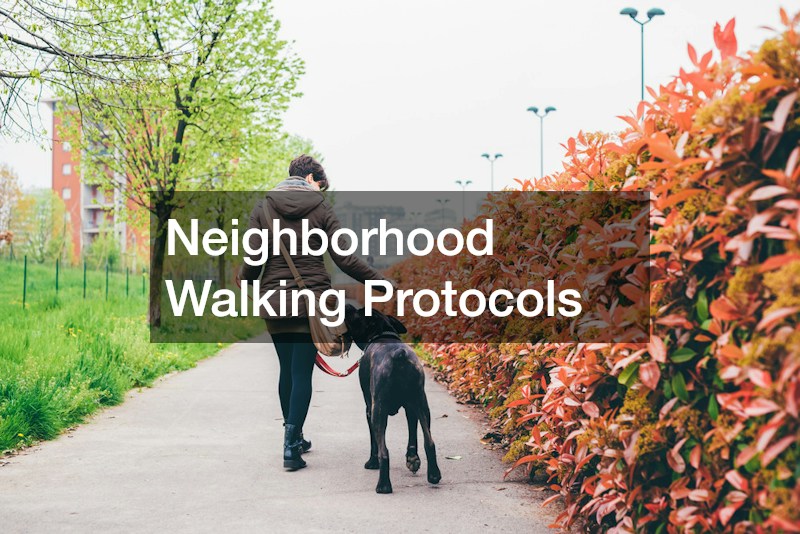
Exploring your surrounding community provides essential physical conditioning and sensory enrichment, but it requires careful attention to neighborhood infrastructure. Mapping out routes with wide sidewalks, well-lit crosswalks, and minimal vehicular traffic ensures safer daily outings. Always inspect the pavement temperature with the palm of your hand during summer months to protect sensitive paw pads from extreme heat.
- Equipping leashes and harnesses with high-visibility reflective strips.
- Carrying portable water bottles and collapsible bowls on long walks.
- Avoiding unpaved trails during peak parasite seasons.
Incorporating routine wellness checks alongside daily physical activity helps maintain optimal mobility and long-term stamina. Scheduling comprehensive pet wellness services allows medical professionals to evaluate joint function, monitor weight trends, and update vital preventive treatments, ensuring your companion stays active and agile on every neighborhood adventure.
9. Primary Medical Partnerships
Establishing a permanent relationship with a qualified medical facility forms the cornerstone of your companion’s long-term healthcare strategy. Having a trusted clinical team that understands your animal’s unique medical history, temperament, and baseline health metrics makes routine visits smooth and stress-free. Regular preventative examinations allow doctors to catch subtle physical changes early before they develop into serious concerns.
- Keeping physical and digital copies of vaccination records organized.
- Scheduling annual or semi-annual comprehensive physical exams.
- Establishing clear communication channels for non-emergent advice.
Maintaining open communication with your local vet clinic ensures seamless care coordination throughout your companion’s life. From pediatric vaccines to senior mobility support, a consistent primary pet urgent care team provides personalized guidance, preventive diagnostics, and tailored medical plans that keep your companion thriving at every age.
10. Emergency Preparedness Infrastructure
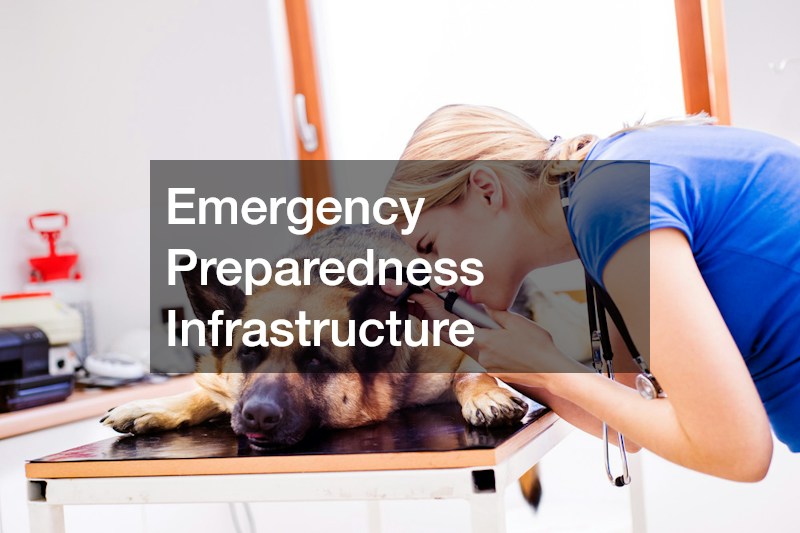
Creating a comprehensive emergency plan ensures your household can react swiftly and decisively during unexpected crises. Building a portable disaster kit containing a two-week supply of food, water, medications, leashes, and medical records allows for rapid evacuation if severe weather or local emergencies strike. Practicing evacuation drills ensures your entire family knows exactly how to secure and transport animals safely under high-stress conditions.
- Storing a fully stocked first-aid kit in your home and vehicle.
- Keeping crate training updated for fast, safe travel during crises.
- Microchipping your companion and keeping contact info current.
Despite our best preventive efforts, acute medical crises like severe trauma, sudden toxin ingestion, or sudden distress can happen without warning. Knowing the exact location and route to the facility offering emergency vet services ensures you can access immediate, life-saving critical care when every single second counts.
Building a safe, functional, and deeply enriching environment for your animal companion is an ongoing journey that touches every aspect of your property and lifestyle. As we’ve explored throughout this guide, true care extends far beyond simple affection; it requires intentional planning, structural security, and proactive health management. By carefully evaluating your property from the front porch to the back fence, you create a physical space that shields your companion from avoidable hazards while encouraging healthy play and relaxation. Upgrading your entryways, securing your living zones, and removing environmental risks transforms your house into a true sanctuary where your companion can feel completely secure every day.
As your companion grows and matures, their physical requirements and daily habits will naturally shift, making regular audits of your home and support systems essential. Revisiting your safety checklists, inspecting your yard boundaries, and updating your emergency preparedness kits ensures your home remains perfectly adapted to their changing lifestyle. Investing time and effort into these structural and operational details pays incredible dividends in the form of vibrant health, joyful companionship, and shared memories that last a lifetime.
Ultimately, aligning your home’s infrastructure with your companion’s physical needs is one of the most rewarding commitments you can make as a dedicated guardian. By implementing the strategies outlined in this guide, you lay down a permanent foundation of safety, comfort, and vitality. Take the next step today by assessing your living space, organizing your care supplies, and finalizing your emergency protocols. Your companion relies on you to build their world, and with the right checklist in hand, you can ensure that their world is as secure, comfortable, and beautiful as possible.